Global Journal of Infectious Diseases and Clinical Research
Determinants of Patient Delay and Care-Seeking Pathways in Tuberculosis Diagnosis Among Individuals Aged ≥ 15 Years at Kenyatta National Hospital, Nairobi, Kenya
1Department of Epidemiology & Biostatistics, Epidemiologist & Public Health Specialist, Mount Kenya University, Kenya
2Internal Supervisor-Mount Kenya University, Kenya
3External Supervisor-Jomo Kenyatta University of Agriculture and Technology, Kenya
4Statistician-Kenyatta University, Kenya
Author and article information
Cite this as
Arnold MR, et al. Determinants of Patient Delay and Care-Seeking Pathways in Tuberculosis Diagnosis Among Individuals Aged ≥ 15 Years at Kenyatta National Hospital, Nairobi, Kenya. Glob J Infect Dis Clin Res. 2026; 12(1): 1-9. Available from: 10.17352/2455-5363.000065
Copyright License
© 2026 Arnold MR, et al. This is an open-access article distributed under the terms of the Creative Commons Attribution License, which permits unrestricted use, distribution, and reproduction in any medium, provided the original author and source are credited.Background: Tuberculosis (TB) remains a major public health challenge globally, particularly in low- and middle-income countries where delays in diagnosis contribute to ongoing transmission, poor treatment outcomes, and increased mortality. Patient delay in seeking healthcare remains a significant barrier to effective TB control. This study assessed the determinants of patient delay and care-seeking pathways among individuals aged 15 years and above diagnosed with tuberculosis at Kenyatta National Hospital, Nairobi, Kenya.
Methods: A retrospective cohort study was conducted among 127 tuberculosis patients aged ≥15 years receiving treatment at Kenyatta National Hospital. Data were collected through structured questionnaires and review of clinical records. Descriptive statistics were used to summarize participant characteristics. Chi-square tests and logistic regression analyses were performed to assess factors associated with patient delay. Results were presented as adjusted odds ratios (AORs) with 95% confidence intervals.
Results: The majority of participants were aged 40–49 years (32.3%). More than half (59.8%) delayed seeking healthcare for more than two months after symptom onset. Perceived stigma (96.9%), fear of diagnosis (66.9%), and long distance to health facilities were major barriers to timely healthcare-seeking. Participants who initially sought care from informal providers or practiced self-medication experienced longer delays before diagnosis. Age group, education level, and distance to health facility were significantly associated with delay at bivariate analysis (p<0.05). However, none of these variables remained statistically significant after multivariable adjustment.
Conclusion: Patient delay remains a major challenge in tuberculosis control among adults attending Kenyatta National Hospital. Stigma, fear, and barriers to healthcare access contribute substantially to delayed healthcare-seeking behaviour. Strengthening community awareness, reducing TB-related stigma, and improving access to diagnostic services are essential for promoting early diagnosis and reducing transmission.
Tuberculosis (TB) remains one of the leading infectious causes of morbidity and mortality globally, with a disproportionate burden in low- and middle-income countries. According to the World Health Organization Global Tuberculosis Report 2023, an estimated 10.6 million people developed TB worldwide, with significant transmission occurring due to delayed diagnosis and treatment initiation. Despite the availability of effective diagnostic tools and curative therapy, TB control efforts continue to be undermined by persistent delays across the care continuum.
Delays in TB diagnosis are commonly categorized into patient delay and health system delay. Patient delay refers to the time interval between the onset of symptoms and the first contact with a healthcare provider, while health system delay represents the time from first healthcare contact to confirmed diagnosis and treatment initiation. These delays contribute to increased disease severity, prolonged infectiousness, and higher risk of transmission within communities. Previous studies have shown that prolonged diagnostic delays are associated with poor treatment outcomes and increased mortality [1,2].
A growing body of literature has examined determinants of TB diagnostic delay across different settings. Storla et al. [1] conducted a systematic review and found that delays are influenced by a combination of patient-related factors such as low awareness of symptoms and stigma, as well as health system factors including diagnostic inefficiencies and limited access to services. Similarly, Sreeramareddy et al. [2] reported that delayed care-seeking is strongly associated with socioeconomic barriers, reliance on informal healthcare providers, and structural health system weaknesses. Studies in sub-Saharan Africa have further highlighted the role of stigma, geographical barriers, and fragmented care pathways in prolonging delays [3,4].
In Kenya, TB remains a major public health concern, with the country classified among high TB burden settings. While several studies have explored TB diagnosis and treatment outcomes, most have focused on general delays without adequately distinguishing between patient-related and health system-related factors within tertiary healthcare settings. Furthermore, limited research has examined how care-seeking pathways, stigma, and structural barriers interact to influence diagnostic delays in referral hospitals such as Kenyatta National Hospital. This represents a critical knowledge gap, as tertiary facilities often manage complex cases and receive patients who have already experienced prolonged delays at earlier stages of care.
Additionally, existing studies in Kenya and similar contexts have largely emphasized descriptive analyses, with limited integration of both quantitative and qualitative perspectives to provide a comprehensive understanding of delay mechanisms. There is also insufficient evidence linking patient behavior, health system inefficiencies, and care pathways within a single analytical framework, particularly among adults aged 15 years and above who contribute significantly to TB transmission dynamics.
To address these gaps, this study aimed to determine the magnitude and determinants of patient delay in seeking tuberculosis care among individuals aged 15 years and above receiving treatment at Kenyatta National Hospital. Specifically, the study assessed the duration of patient delay, identified socio-demographic and healthcare access factors associated with delayed care-seeking, and examined care-seeking pathways before TB diagnosis. Patient delay was defined as the interval between the onset of TB-related symptoms and the first contact with a formal healthcare provider. The findings are intended to inform interventions that promote early diagnosis and timely treatment initiation.
The findings of this study are expected to contribute to the existing body of knowledge by providing context-specific evidence to inform targeted TB control strategies. In particular, the study highlights key intervention points for reducing delays, improving early case detection, and strengthening health system responsiveness. The remainder of this paper is structured as follows: the Methods section describes the study design and analytical approach, the Results section presents the findings, and the Discussion interprets the results in relation to existing literature and public health implications.
Methodology
Operational definitions
Patient delay: Time from onset of TB-related symptoms to first consultation with a formal healthcare provider.
Prolonged patient delay: Patient delay exceeding 14 days, consistent with previous TB delay studies.
Care-seeking pathway: Sequence of actions and healthcare providers consulted by a patient from symptom onset until TB diagnosis.
Formal healthcare provider: Public or private health facility staffed by licensed healthcare professionals.
Informal healthcare provider: Pharmacies, traditional healers, drug shops, self-medication, or other non-formal sources of care.
Study design
This study employed a retrospective cohort design to assess patient delay, barriers to care, and care-seeking pathways among individuals diagnosed with tuberculosis. The study utilized routinely collected clinical records, complemented by patient-reported information, to reconstruct timelines from symptom onset to diagnosis and initiation of treatment.
A retrospective cohort approach was appropriate for examining temporal relationships between exposures and outcomes using existing data. In this study, exposures included patient-related and health system factors associated with delays, while outcomes focused on time to diagnosis and treatment initiation. This design enabled the reconstruction of patient care pathways and the identification of key points at which delays occurred. Retrospective cohort studies are widely applied in investigations of diagnostic and treatment delays due to their ability to provide practical and reliable epidemiological insights without the need for prolonged follow-up [5,6].
Study setting
The study was conducted at Kenyatta National Hospital (KNH), located in Nairobi County, Kenya. KNH is the largest national referral and teaching hospital in Kenya, with a bed capacity exceeding 1,800 beds and serving patients from all 47 counties. The hospital provides comprehensive tuberculosis diagnostic and treatment services, including sputum microscopy, GeneXpert testing, chest radiography, drug susceptibility testing, and TB treatment monitoring.
As the country’s premier referral facility, KNH receives patients with uncomplicated and complicated forms of tuberculosis from both urban and rural settings, making it an ideal setting for assessing patient delay and healthcare-seeking pathways among individuals diagnosed with tuberculosis.
Study population
The study population comprised individuals aged 15 years and above with a confirmed diagnosis of pulmonary tuberculosis and receiving treatment at Kenyatta National Hospital. Participants were selected based on predefined eligibility criteria, including confirmed diagnosis and willingness to participate in the study.
The sampling frame consisted of all patients registered in the tuberculosis treatment clinic at Kenyatta National Hospital during the study period. Eligible participants were identified from the TB treatment register and recruited sequentially using systematic random sampling.
The inclusion of individuals aged 15 years and above was considered appropriate, as this group represents adolescents and adults who exhibit distinct healthcare-seeking behaviors compared to children. Additionally, individuals within this age group contribute significantly to TB transmission due to higher levels of social interaction and mobility, making them a critical population for TB control interventions.
Sample size and sampling technique
A representative sample of TB patients was selected using systematic random sampling. The sample size was determined based on prevalence estimates from previous TB studies and adjusted for expected non-response rates to ensure statistical validity [1]. Sample size calculation followed the Fisher et al. formula, a standard method used in health research for estimating proportions in populations.
The formula:
Where:
Z = 1.96 (for 95% confidence level)
p = 0.5 (assumed proportion for maximum variability)
q = 1 - p
d = 0.05 (margin of error)
This method is widely recommended because using p = 0.5 ensures the largest possible sample size, making the study more statistically robust when the true proportion is unknown (Lwanga & Lemeshow, 1991).
A finite population correction was applied because the target population was less than 10,000, reducing the required sample size to 96. However, the final sample consisted of 127 participants who met all eligibility criteria and were included in the final analysis, which increases:
Statistical power
Precision of estimates
Reliability of findings
Sampling Procedure
A systematic sampling technique was used, which is appropriate in clinical settings where patients are listed in chronological or sequential order.
The process involved:
Identifying the sampling frame (TB register)
Calculating the sampling interval (K)
Selecting a random starting point
Selecting every Kth patient thereafter
Systematic sampling reduces selection bias while ensuring that the sample is spread evenly across the population (Kothari, 2004).
In addition, purposive sampling was used to select key informants. This is a qualitative sampling method where participants are intentionally chosen because they possess specific knowledge or experience relevant to the study. This approach is widely used in health systems research to capture in-depth contextual insights (Patton, 2015).
Eligibility criteria
Participants were eligible for inclusion if they were aged 15 years or older, had a confirmed diagnosis of pulmonary tuberculosis, and were actively receiving treatment at the study site during the study period. All participants provided informed consent before participation.
Participants were excluded if they had extra-pulmonary tuberculosis, as the diagnostic pathways and disease progression differ from pulmonary TB. Individuals with a history of previous TB treatment were also excluded to minimize potential bias related to recurrent or drug-resistant disease. In addition, patients who were too ill to participate at the time of data collection were excluded to ensure the reliability of responses. Non-residents were also excluded to maintain consistency with the study context and ensure that findings reflected the local setting.
These eligibility criteria were applied to ensure a relatively homogeneous study population and to improve the internal validity of the findings [1].
Data collection
Data were collected using a structured questionnaire adapted from previously published tuberculosis delay studies. The questionnaire consisted of five sections: socio-demographic characteristics, symptom history, healthcare-seeking behaviour, barriers to care-seeking, and care-seeking pathways. Responses included dichotomous (Yes/No), categorical, and continuous measures. The instrument was reviewed by public health and TB experts to assess content validity and was pre-tested among patients with characteristics similar to those of the study population. Feedback from the pre-test was used to improve clarity, wording, and logical flow before final administration.
The questionnaire was adapted from previously validated tools used in tuberculosis research and was pre-tested before data collection to ensure clarity, consistency, and reliability. Minor adjustments were made following pre-testing to improve comprehension and flow [3].
Bias and limitations
Recall bias may have occurred, as the estimation of delay relied partly on the patient’s self-report of symptom onset. To minimize this, interviews were conducted as close to the time of diagnosis as possible, and clinical records were used to validate reported timelines where available.
Qualitative component
A qualitative component was incorporated through Key Informant Interviews (KIIs) to provide deeper insight into patient experiences, health system barriers, and decision-making processes related to care-seeking. This approach complemented the quantitative findings by exploring underlying reasons for delays and contextual factors influencing healthcare utilization. Qualitative methods are particularly valuable in delay studies, as they help explain patterns observed in quantitative data [4]. Qualitative data were analyzed using thematic analysis.
Measurement of delays
Patient delay was defined as the time interval between the onset of tuberculosis-related symptoms and the first consultation with a formal healthcare provider. Consistent with previous tuberculosis studies, patient delay exceeding 14 days was considered a prolonged delay. The duration of delay was determined using participant self-reports and verified using available clinical records where possible.
Data analysis
Data were analyzed using SPSS version 25. Descriptive statistics were used to summarize participant characteristics. Associations between independent variables and delay outcomes were initially assessed using chi-square tests. Variables of interest were then included in binary logistic regression models to identify predictors of delay while controlling for potential confounders. Results were presented as adjusted odds ratios with corresponding 95% confidence intervals, and statistical significance was set at p < 0.05 [7].
Descriptive statistics were used to summarize participant characteristics. Continuous variables were assessed for normality. Delay variables were summarized using medians and interquartile ranges (IQRs) due to their skewed distribution. Bivariate associations between independent variables and patient delay were assessed using chi-square tests. Variables with p-values <0.20 at bivariate analysis, together with variables considered epidemiologically important based on previous literature, were entered into a multivariable logistic regression model. The dependent variable was prolonged patient delay (yes/no). Adjusted odds ratios (AORs), 95% confidence intervals (CIs), and p-values were reported. Multicollinearity was assessed before model fitting, and statistical significance was set at p<0.05.
Reliability and validity
Measures were taken to ensure the reliability and validity of the study. The data collection tools were pre-tested prior to use to enhance clarity and consistency. Standardized procedures were followed during data collection to minimize variability. These steps helped improve the accuracy and credibility of the findings [1].
Ethical considerations
The study was conducted in accordance with established ethical principles for human subjects research. Participation was voluntary, and informed consent was obtained from all participants. Confidentiality of participant information was maintained throughout the study.
Ethical approval was obtained from relevant institutional review bodies, including the University of Nairobi/Kenyatta National Hospital and Mount Kenya University, as well as the National Commission for Science, Technology and Innovation. Adherence to these ethical standards was essential to ensure the protection of participants and the integrity of the research process [8].
Results
Socio-demographic Characteristics of Participants
A total of 127 participants were included in the final analysis. Females accounted for 51.2% (n=65), while males comprised 48.8% (n=62). The majority of participants were aged 40–49 years (32.3%), followed by those aged 30–39 years (26.8%). Most participants had attained primary (31.5%) or secondary (27.6%) education, and 43.3% were self-employed (Table 1).
Distribution of patient delay
More than half of the participants (59.8%) sought healthcare services more than two months after symptom onset, while only 17.3% sought care within the first month. These findings indicate substantial delays in healthcare-seeking among individuals diagnosed with tuberculosis (Table 2).
Barriers to timely healthcare-seeking
Perceived stigma was reported by 96.9% of participants, while 66.9% reported fear related to tuberculosis diagnosis. Nearly one-third (31.5%) of participants resided more than 10 kilometres from the nearest health facility. These psychosocial and accessibility barriers contributed to delayed healthcare-seeking behaviour (Table 2).
Care-seeking pathways before diagnosis
Many participants reported engaging in self-medication, visiting pharmacies, or consulting informal healthcare providers before seeking care at formal health facilities. These multiple healthcare contacts may have contributed to delayed diagnosis and treatment initiation.
Factors associated with patient delay
Bivariate analysis showed that age group (p=0.032), distance to health facility (p=0.015), and education level (p=0.041) were significantly associated with patient delay. Sex was not significantly associated with delay (p=0.210) (Table 3).
Multivariable logistic regression analysis
Multivariable logistic regression analysis showed that none of the assessed variables remained statistically significant after adjustment for potential confounders. Although increased odds of delay were observed among participants aged 40–49 years, those residing further from health facilities, and those with lower educational attainment, these associations did not reach statistical significance (Table 4).
Across all variables, the findings demonstrate that TB delays are driven by an interaction of:
Individual factors (age, knowledge, behavior)
Social factors (stigma, fear)
System factors (accessibility, referral gaps)
This aligns with TB control frameworks emphasizing that delays occur at both:
Patient level
Health system level [4]
The persistence of these delays suggests that TB control strategies must adopt a multi-sectoral approach, combining:
Community awareness
Health system strengthening
Social protection measures
Table 1 presents the socio-demographic characteristics of the participants. Females constituted a slightly higher proportion (51.2%) compared to males (48.8%). The majority of participants were aged 40–49 years (32.3%), with most having attained at least primary or secondary education.
Table 2 shows the distribution of patient delay and related psychosocial and access factors. A substantial proportion of participants (59.8%) delayed seeking care for more than two months. High levels of perceived stigma (96.9%) and fear (66.9%) were reported. Distance to health facilities varied, with nearly one-third of participants living more than 10 km away.
Table 3 summarizes the bivariate associations between selected variables and delay in seeking care. Age group, distance to health facility, and education level showed statistically significant associations with delay (p < 0.05), while sex was not significantly associated.
Table 4 presents the multivariable logistic regression analysis of factors associated with delay. Although some variables showed increased odds of delay, none were statistically significant (p > 0.05). This indicates that no independent predictors of delay were identified after adjusting for confounding variables.
Figure 1: Age distribution of study participants (n = 127). Figure 1 shows the highest concentration in the 40–49 age group, indicating TB burden among middle-aged adults. The age distribution indicates that the highest proportion of participants was in the 40–49-year age group. This pattern is consistent with global tuberculosis epidemiology, where TB predominantly affects economically productive age groups. Individuals in this age range are often at increased risk due to cumulative exposure, occupational risks, and potential immunological compromise.
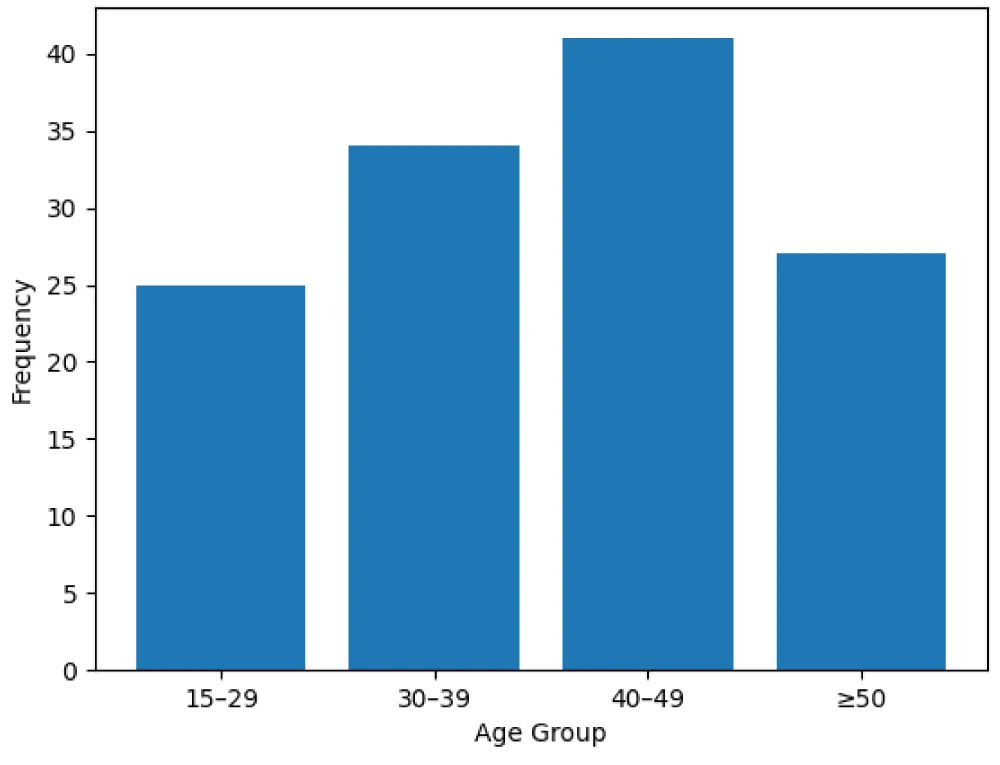
Studies have shown that TB burden is disproportionately high among adults in their productive years, which contributes to sustained transmission within communities and significant socioeconomic consequences [5,6]. In high-burden settings, similar age distributions have been reported, reinforcing the importance of targeting TB control interventions toward working-age populations.
Figure 2: Distribution of patient delay in seeking care. Figure 2 shows highlights of prolonged delays, with many patients seeking care after more than two months. The findings reveal that a substantial proportion of participants experienced prolonged patient delay, with many seeking care after more than two months of symptom onset. This delay is consistent with evidence indicating that patient delay remains a major challenge in tuberculosis control, particularly in low- and middle-income countries.
According to the World Health Organization, delays in seeking care contribute significantly to ongoing transmission and increased morbidity [5]. Factors such as low awareness of TB symptoms, stigma, and reliance on self-medication have been widely documented as contributors to delayed care-seeking [1,2]. Prolonged patient delay increases the risk of disease progression and community transmission, highlighting the need for early detection strategies.
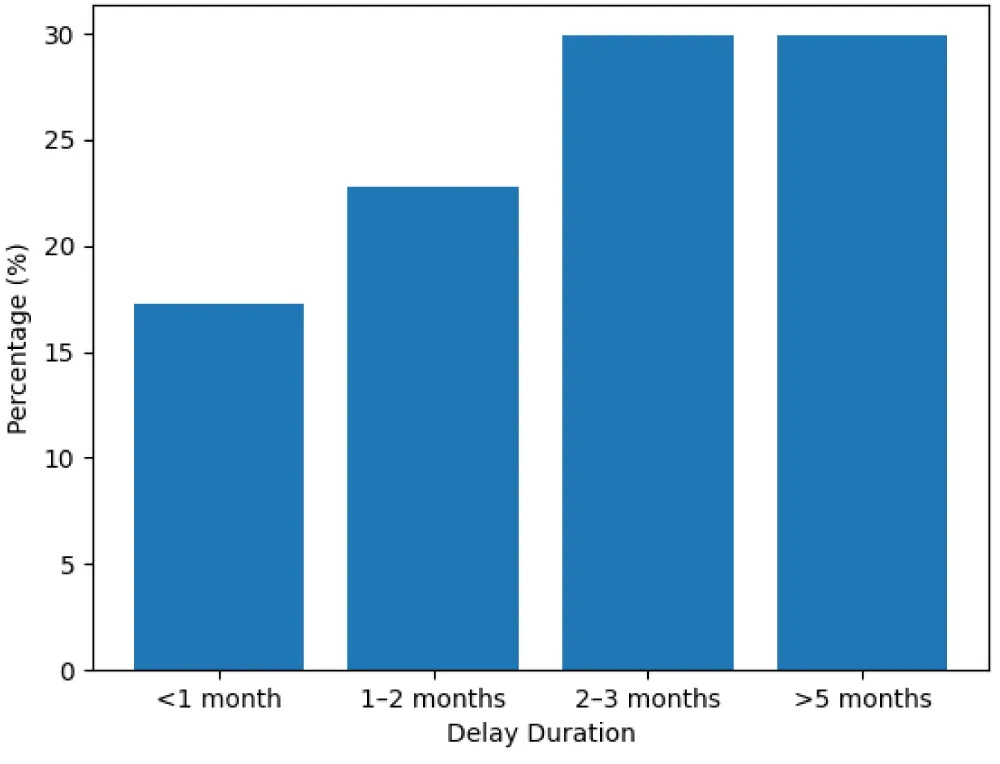
Figure 3: Reported barriers to timely care-seeking. Figure 3: Shows Stigma and fear are dominant barriers, followed by distance to health facilities. The high prevalence of perceived stigma among participants reflects a critical barrier to timely TB diagnosis and treatment. Stigma has been consistently identified as a major determinant of delayed care-seeking behavior, as it influences patients’ willingness to disclose symptoms and seek formal medical care.
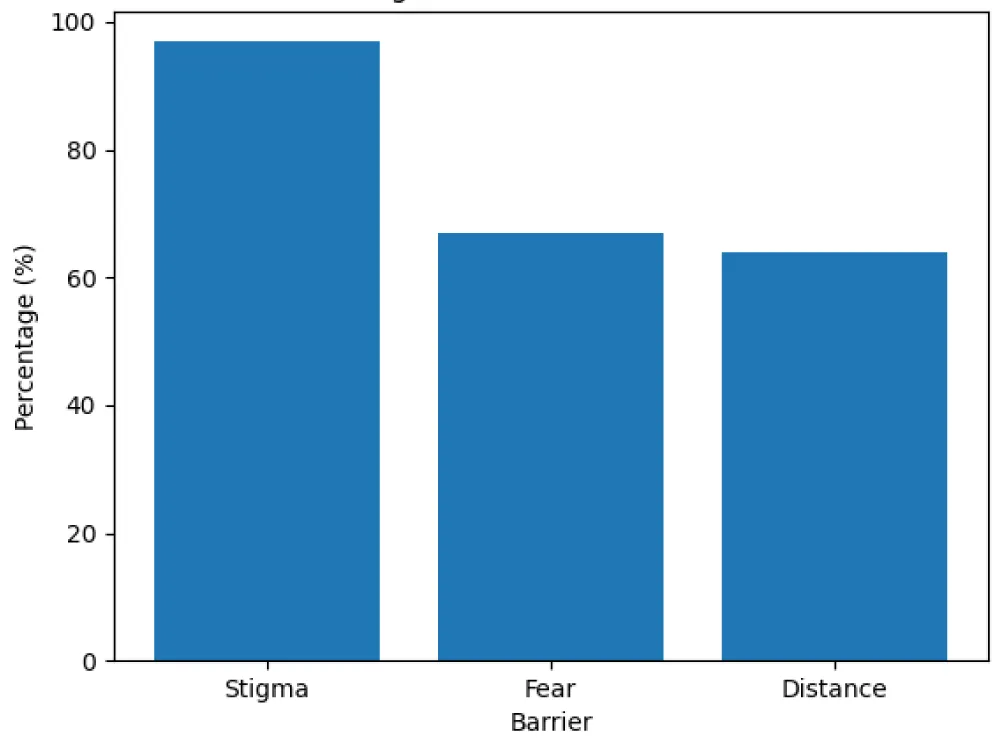
Fear of diagnosis and social consequences further compounds this delay, leading individuals to adopt concealment strategies or alternative care pathways [3,9]. Additionally, geographic barriers such as distance to health facilities remain significant, particularly in resource-limited settings where access to healthcare services is uneven [4].
These findings align with previous research demonstrating that TB-related stigma, fear, and structural barriers collectively contribute to diagnostic and treatment delays, ultimately sustaining transmission within communities.
Figure 4: Care-seeking pathway before TB diagnosis. Figure 4 illustrates multiple steps before diagnosis, showing potential delay points. The care-seeking pathway illustrates multiple steps between symptom onset and treatment initiation, including self-medication and visits to informal providers before reaching formal health facilities. This pattern is widely documented in TB epidemiology and reflects fragmented healthcare-seeking behavior.

Research indicates that patients often first seek care from pharmacies, traditional healers, or through self-medication before accessing formal healthcare services [2,7]. Each step in this pathway introduces delays that contribute to late diagnosis and continued transmission.
This multi-step pathway underscores systemic inefficiencies and highlights the need for strengthening primary healthcare systems, improving referral mechanisms, and increasing community awareness to reduce delays in diagnosis and treatment initiation.
Discussion
This study examined the determinants of patient and health system delays in tuberculosis diagnosis among adults at Kenyatta National Hospital and provides important insights into the complex interplay of behavioral, social, and structural factors influencing delayed care. The findings demonstrate that delays remain substantial, with more than half of participants seeking care after two months of symptom onset, highlighting persistent gaps in timely TB detection in a high-burden setting.
The magnitude of patient delay observed in this study is consistent with findings from previous studies conducted in low- and middle-income countries. A systematic review and subsequent analyses reported that prolonged delays are common and are often driven by a combination of low symptom awareness, economic barriers, and health-seeking behavior [1,2]. In the Kenyan context, similar patterns have been reported, where delayed care-seeking contributes significantly to ongoing TB transmission. The high proportion of participants delaying care beyond two months suggests that current community-level TB awareness and early detection strategies may be insufficient.
Stigma and fear emerged as dominant barriers influencing healthcare-seeking behavior. The extremely high prevalence of perceived stigma in this study (96.9%) is notably higher than reported in some previous studies, suggesting that stigma remains deeply entrenched in certain populations. This finding aligns with previous studies that identified stigma as a critical social determinant of TB outcomes [3,4]. Stigma not only delays care-seeking but also contributes to the concealment of symptoms and reduced treatment adherence. The persistence of stigma indicates that biomedical interventions alone are insufficient and that TB control efforts must incorporate psychosocial and community-based strategies.
Geographical access to healthcare services was also significantly associated with delay at the bivariate level, with individuals residing farther from health facilities more likely to delay seeking care. This finding is consistent with studies in sub-Saharan Africa that highlight distance and transportation barriers as key determinants of delayed diagnosis [4]. Although this association did not remain statistically significant in multivariable analysis, the observed trend suggests that structural barriers continue to influence healthcare utilization. In urban settings such as Nairobi, disparities in access may still exist due to informal settlements, transportation costs, and uneven distribution of health services.
The study also revealed complex and fragmented care-seeking pathways, with many participants initially seeking care from informal providers, including pharmacies and traditional healers, before presenting to formal healthcare facilities. This finding is consistent with previous research demonstrating that informal providers often serve as the first point of contact in TB care pathways [2,7]. However, these providers typically lack diagnostic capacity and may not refer patients promptly, leading to missed opportunities for early detection. This fragmentation of care highlights critical gaps in the integration of health systems and underscores the need for strengthening referral mechanisms and engaging informal providers in TB control strategies.
Interestingly, although several factors were significantly associated with delay at the bivariate level, none remained independent predictors in the multivariable analysis. This suggests that TB diagnostic delay is not driven by a single dominant factor but rather by a combination of interrelated determinants operating at multiple levels [4]. It also highlights the limitations of relying solely on quantitative models to capture complex health behaviors and reinforces the value of integrating qualitative insights.
From a public health perspective, the findings of this study have important implications for TB control in Kenya. First, the high levels of patient delay indicate a need for intensified community-based awareness campaigns to improve early recognition of TB symptoms and promote timely healthcare-seeking behavior. Second, the strong influence of stigma underscores the importance of incorporating stigma reduction interventions into TB programs, including community engagement, health education, and patient support systems. Third, the observed care-seeking pathways suggest that integrating informal healthcare providers into TB detection and referral networks could significantly reduce diagnostic delays.
In addition, strengthening primary healthcare systems and decentralizing TB diagnostic services may improve accessibility and reduce delays associated with distance and health system inefficiencies. Interventions such as community-based screening, mobile diagnostic units, and expanded use of rapid molecular diagnostics could enhance early detection and reduce transmission. These strategies align with national and global TB control priorities, including those outlined by the World Health Organization and Kenya’s TB control programs [5,10-32].
Despite its contributions, this study has several limitations that should be considered when interpreting the findings. Recall bias may have affected the accuracy of reported symptom onset, although efforts were made to validate responses using clinical records. The study was conducted in a single tertiary referral hospital, which may limit generalizability to other settings, particularly primary care facilities. Additionally, the retrospective design may be subject to incomplete data and potential selection bias, as only patients who accessed care were included.
Overall, this study demonstrates that tuberculosis remains a significant public health challenge characterized by delays in diagnosis, persistent stigma, and fragmented care-seeking pathways. The predominance of cases among individuals aged 40–49 years underscores the continued impact of TB on economically productive populations. Patient delay was a major contributor to late diagnosis, driven by low awareness, stigma, and reliance on informal care pathways. Addressing these challenges requires a comprehensive, multi-sectoral approach that includes strengthening primary healthcare systems, enhancing community awareness, reducing stigma, improving referral systems, and integrating informal providers into TB control efforts. Such interventions are essential for achieving earlier diagnosis, reducing transmission, improving treatment outcomes, and advancing TB control and elimination efforts.
Limitations
This study has several limitations. First, recall bias may have affected the accuracy of reported symptom onset, although efforts were made to validate timelines using clinical records. Second, the study was conducted in a single tertiary facility, which may limit generalizability to other settings. Third, the retrospective design may be subject to incomplete records and missing data. Finally, potential selection bias may have occurred, as only patients who accessed care at KNH were included.
Recommendations
Efforts to reduce tuberculosis delays should focus on strengthening early case detection, particularly among working-age populations. Community-based awareness programs are needed to improve recognition of TB symptoms and promote timely healthcare seeking. Addressing stigma through community engagement and psychosocial support is essential to reducing delays associated with fear and social barriers. Improving access to services through decentralization and strengthening referral systems, including engagement with informal providers, may further reduce diagnostic delays and improve treatment outcomes.
- Storla DG, Yimer S, Bjune GA. A systematic review of delay in the diagnosis and treatment of tuberculosis. BMC Public Health. 2008;8:15. Available from: https://doi.org/10.1186/1471-2458-8-15
- Sreeramareddy CT, Qin ZZ, Satyanarayana S, Subbaraman R, Pai M. Delays in diagnosis and treatment of pulmonary tuberculosis. Int J Tuberc Lung Dis. 2014;18(3):255–266. Available from: https://doi.org/10.5588/ijtld.13.0585
- Courtwright A, Turner AN. Tuberculosis and stigmatization. Public Health Rep. 2010;125:34–42. Available from: https://doi.org/10.1177/00333549101250s407
- Lönnroth K, Castro KG, Chakaya JM, Chauhan LS, Floyd K, Glaziou P, et al. Tuberculosis control and elimination 2010–2050. Lancet. 2010;375:1430–1441. Available from: https://doi.org/10.1016/s0140-6736(10)60483-7
- World Health Organization. Global tuberculosis report 2023. Geneva: WHO; 2023. Available from: https://www.who.int/teams/global-programme-on-tuberculosis-and-lung-health/tb-reports/global-tuberculosis-report-2023
- Furin J, Cox H, Pai M. Tuberculosis. Lancet. 2019;393(10181):1642–1656. Available from: https://doi.org/10.1016/s0140-6736(19)30308-3
- Hoa NP, Chuc NTK, Thorson A. Knowledge, attitudes, and practices about tuberculosis. BMC Public Health. 2013;13:14. Available from: https://doi.org/10.1016/j.healthpol.2008.08.006
- Basnet R. Diagnostic delay among tuberculosis patients. BMC Res Notes. 2012;5:136.
- Craig GM, Daftary A, Engel N, O’Driscoll S, Ioannaki A. Tuberculosis stigma as a social determinant of health. Int J Infect Dis. 2017;56:150–159. Available from: https://doi.org/10.1016/j.ijid.2016.10.011
- Uplekar S, Weil D, Lönnroth K, Jaramillo E, Lienhardt C, Dias HM, et al. WHO End TB Strategy. Lancet. 2015;385:1799–1801. Available from: https://doi.org/10.1016/s0140-6736(15)60570-0
- Ministry of Health, Kenya. Kenya National Tuberculosis, Leprosy and Lung Disease Program annual report. Nairobi: Ministry of Health; 2022.
- Kiwuwa AS, Charles C, Karamagi M. Patient and health service delay in pulmonary tuberculosis patients. BMC Public Health. 2005;5:122. Available from: https://doi.org/10.1186/1471-2458-5-122
- Yimer M. Patient and health system delays in tuberculosis diagnosis. BMC Public Health. 2005;5:112.
- Getnet A. Delay in tuberculosis diagnosis and treatment. BMC Infect Dis. 2017;17:332.
- Mesfin S. Delay in tuberculosis diagnosis. BMC Public Health. 2009;9:53.
- Cambanis E. Risk factors for diagnostic delay. Trop Med Int Health. 2005;10:114–120.
- Ngadaya E, Mfinanga GSM, Wandwalo ER, Mørkve O. Delay in tuberculosis case detection. East Afr Med J. 2009;86:8–13. Available from: https://doi.org/10.1186/1472-6963-9-196
- Osei E. Determinants of tuberculosis treatment delay. BMC Public Health. 2015;15:721.
- Mfinanga S. Health system delay in tuberculosis care. BMC Health Serv Res. 2008;8:43.
- Rajeswari R, Balasubramanian R, Muniyandi M, Geetharamani S, Thresa X, Venkatesan P. Socioeconomic impact of tuberculosis. Int J Tuberc Lung Dis. 1999;3:119–125. Available from: https://pubmed.ncbi.nlm.nih.gov/10524583/
- Lawn SD, Zumla AI. Tuberculosis. Lancet. 2011;378:57–72. Available from: https://doi.org/10.1016/s0140-6736(10)62173-3
- Golub JE. Delays in tuberculosis diagnosis and treatment. Am J Prev Med. 2007;32:44–50.
- Saldanha AM. Barriers to tuberculosis diagnosis. Public Health Action. 2013;3:123–127. Available from:
- Needham DM. Delay in tuberculosis treatment. Int J Tuberc Lung Dis. 2001;5:826–832.
- Datiko DG, Lindtjørn B. Health extension workers improve TB case detection. BMC Health Serv Res. 2009;9:109. Available from: https://doi.org/10.1371/journal.pone.0005443
- Yellappa V. Patient pathways to tuberculosis care. BMC Infect Dis. 2017;17:343.
- Kapoor L. Factors influencing tuberculosis care-seeking behavior. J Epidemiol. 2012;22:1–8.
- Ukwaja KN. Healthcare-seeking behavior in TB patients. BMC Health Serv Res. 2013;13:25. Available from: https://doi.org/10.1186/1472-6963-13-25
- Tadesse A, Demissie S, Berhane S. Long delays in tuberculosis diagnosis. BMC Public Health. 2016;16:902.
- Finnie RK. Factors associated with patient and health system delays. BMC Public Health. 2011;11:244.
- MacPherson R. Care-seeking pathways and delays. Trop Med Int Health. 2014;19:154–162.
- Khan JS.. Barriers to tuberculosis control. Glob Health Action. 2019;12:1553462.



 Save to Mendeley
Article Alerts
Subscribe to our articles alerts and stay tuned.
 This work is licensed under a Creative Commons Attribution 4.0 International License.